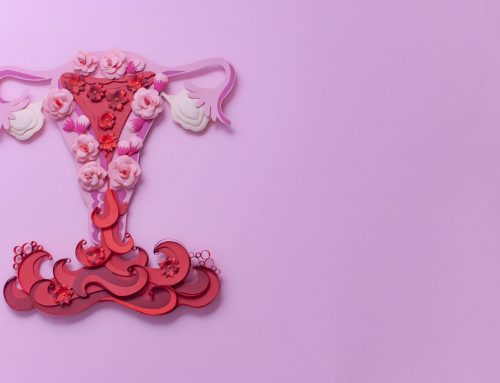
Early pregnancies come with certain risks and a miscarriage is one of them. On average, one in every five pregnancies ends up in a miscarriage, mostly during the first trimester (1).
In some cases, miscarriage cannot be prevented, especially when it caused by fetal development problems.
Losing your pregnancy can be heartbreaking and the stigma that comes with it only adds to the emotional pain. What should you do when you have a miscarriage? Here are some helpful tips.
Miscarriages Explained
A miscarriage is the loss of a fetus or embryo before it has fully developed or viable enough to survive. Miscarriages often happen during the first trimester, and sometimes even before a woman discovers she is expectant. Very few occur during the gestation period.
How To Cope With A Miscarriage
Having a miscarriage comes with physical, mental, and emotional effects. It may even have an impact on your relationships. Here are ways to deal with your recent loss
Allow Yourself To Grieve
The emotional impact of losing a pregnancy can be overwhelming. You will experience feelings like sadness, guilt, hopelessness, anger, jealousy, and sometimes even betrayal. There are times when you feel as though your body has let you down, especially if you had been looking forward to getting a child.
Give yourself time to grieve your loss and talk to your close friends and family about it. Joining a group of women that have also had a miscarriage can also be highly effective. Think of it as a support group.
Therapy Treatment After Miscarriage
Talk to a grief counselor about what you are going through. Having a professional helping you navigate your loss helps you recover more efficiently as the therapist will address your individual needs.
If the miscarriage is putting a strain on your relationship, make sure you attend the therapy session with your partner. They may not show it but they’re probably going through the same pain you are.
Visit An Ob-gyn
After a miscarriage, the ob-gyn performs ultrasound or pelvic exam to confirm the miscarriage and also o identify whether there’s fetal tissue left in your uterus. If the miscarriage occurred during the first trimester, your uterus may be clean and there will be no further treatment.
If there’s tissue left, your doctor may give you medicine, scrape the uterine lining or conduct suction to remove them.
When Should You Start Trying For Another Pregnancy?
It is possible to have a healthy pregnancy after a miscarriage. However, you should only start trying once you are fully healed. Avoid having intercourse until the bleeding has stopped and use birth control until you are ready to get pregnant again
Treatment After Miscarriage
Experiencing a miscarriage can be traumatizing and women sometimes end up blaming themselves. No, it is not your fault and there’s probably nothing you would have done. Take time to heal and seek professional treatment. It may not seem like it now, but it does get better.
Links to sources used
- New Research Shows Most Human Pregnancies End in Miscarriage – https://www.sciencealert.com/meta-analysis-finds-majority-of-human-pregnancies-end-in-miscarriage-biorxiv